

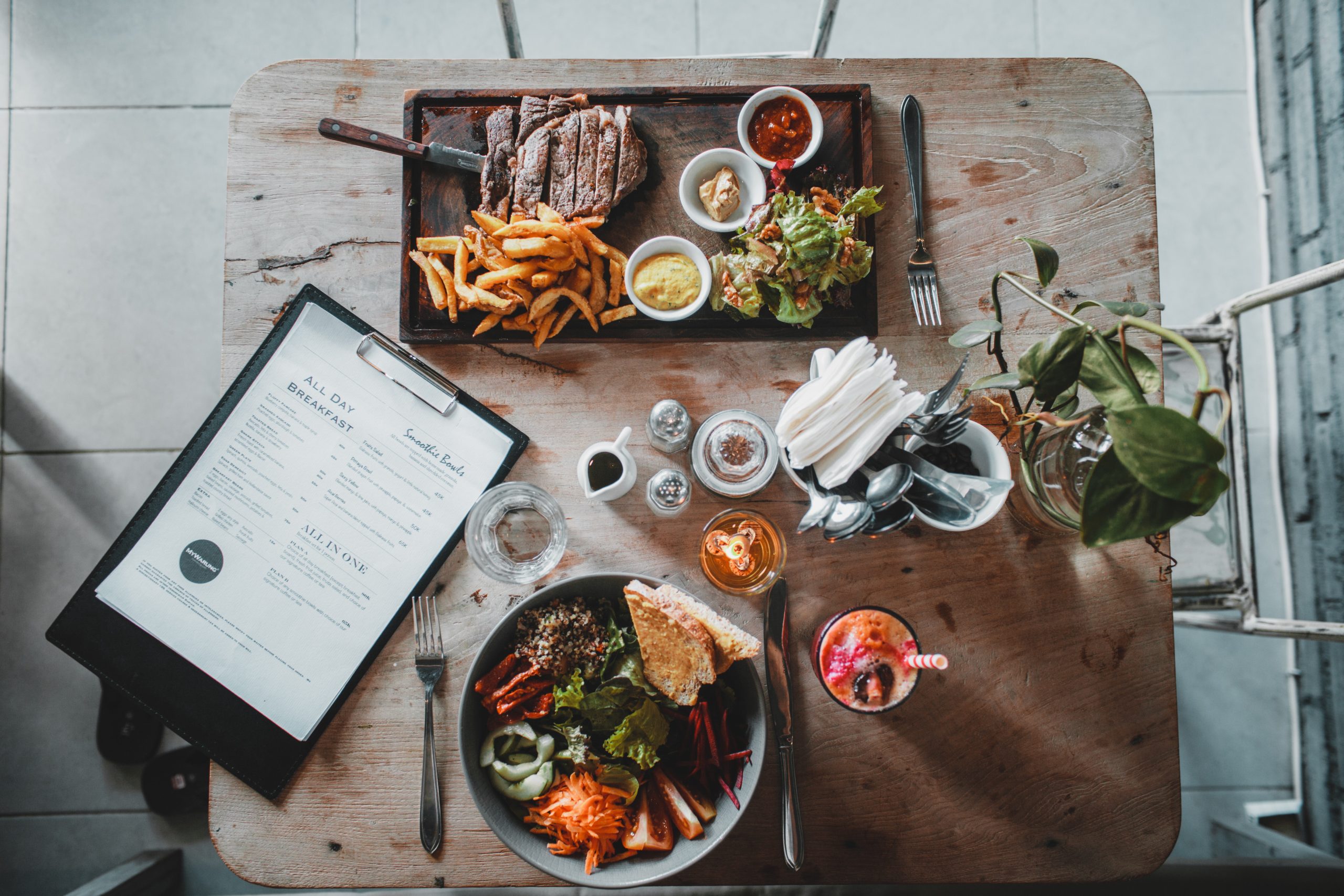
Dynamic pricing has become a crucial strategy in the hospitality industry, particularly for restaurants aiming to optimize revenue, manage stock efficiently, and meet fluctuating demand. By leveraging technology and data analytics, dynamic pricing allows restaurants to adjust prices in real-time based on various factors. In this blog post, we’ll explore why dynamic pricing is so relevant for restaurants, how it works, and how you can implement it with DynamEat.
Why is Dynamic Pricing So Relevant, Especially for Restaurants? 🚀
-
Adapting to Fluctuating Demand
Restaurants experience significant variations in customer traffic based on the time of day, day of the week, season, and even weather conditions. Dynamic pricing helps restaurants adapt to these fluctuations by adjusting prices to match demand, ensuring optimal occupancy and maximizing revenue.
-
Enhancing Revenue Management
In an industry with thin profit margins, dynamic pricing enables restaurants to maximize their revenue potential. By increasing prices during peak times and offering discounts during off-peak periods, restaurants can balance customer flow and optimize earnings.
-
Reducing Food Waste
Dynamic pricing can also play a role in reducing food waste. By adjusting prices to promote the sale of perishable items or slow-moving dishes, restaurants can minimize waste and improve inventory management.
How Dynamic Pricing Works 📲
-
Data Collection and Analysis
Dynamic pricing relies on the continuous collection and analysis of data. This includes historical sales data, customer preferences, market trends, competitor pricing, and external factors such as local events and weather conditions. Advanced algorithms and machine learning models process this data to predict demand and set optimal prices.
-
Real-Time Price Adjustments
Based on the insights gathered, dynamic pricing systems can adjust prices in real-time. For example, during peak dining hours, prices for popular dishes may increase, while discounts or promotions may be offered during slower periods to attract more customers.
-
Implementation with DynamEat
DynamEat is a leading dynamic pricing platform specifically designed for the hospitality industry. Here’s how you can implement dynamic pricing with DynamEat:
1. Integrate with POS Systems: DynamEat seamlessly integrates with your existing POS systems to collect and analyze sales data.
2. Set Pricing Rules: Define pricing rules and strategies based on your restaurant’s specific needs and goals. This could include time-based pricing, demand-based pricing, or promotional pricing.
3. Monitor and Adjust: Continuously monitor performance and make adjustments as needed. DynamEat provides real-time analytics and insights to help you make informed decisions.
Key Benefits for Restaurants ✨
1. Increased Revenue
Dynamic pricing allows restaurants to capitalize on high-demand periods by charging premium prices, thereby increasing overall revenue. During low-demand times, offering discounts can attract more customers, filling seats that would otherwise remain empty.
2. Improved Inventory Management
By promoting the sale of slow-moving or surplus items through price adjustments, restaurants can better manage their inventory, reduce waste, and ensure fresher ingredients for their customers.
3. Enhanced Customer Experience
Dynamic pricing can lead to a better customer experience by reducing wait times and overcrowding during peak hours. Customers who dine during off-peak times benefit from lower prices, while those willing to pay more during peak times enjoy the convenience of guaranteed seating.
4. Competitive Advantage
Implementing dynamic pricing can give restaurants a competitive edge by offering more flexible and appealing pricing options to customers. This adaptability can attract a broader customer base and increase customer loyalty.
5. Data-Driven Insights
Using a platform like DynamEat provides restaurants with valuable data-driven insights. Understanding customer behavior, demand patterns, and pricing effectiveness allows for continuous improvement and more strategic decision-making.
Conclusion
Dynamic pricing is transforming the hospitality industry by enabling restaurants to optimize revenue, manage stock efficiently, and meet customer demand effectively. By leveraging platforms like DynamEat, restaurants can implement dynamic pricing strategies tailored to their unique needs and goals. The key benefits, including increased revenue, improved inventory management, enhanced customer experience, and a competitive advantage, make dynamic pricing an essential tool for modern restaurants aiming to thrive in a competitive market. Embrace dynamic pricing and unlock the potential for greater success and sustainability in your restaurant operations.

